The Role of Behavioral Psychology in Number Grid Pattern Selection
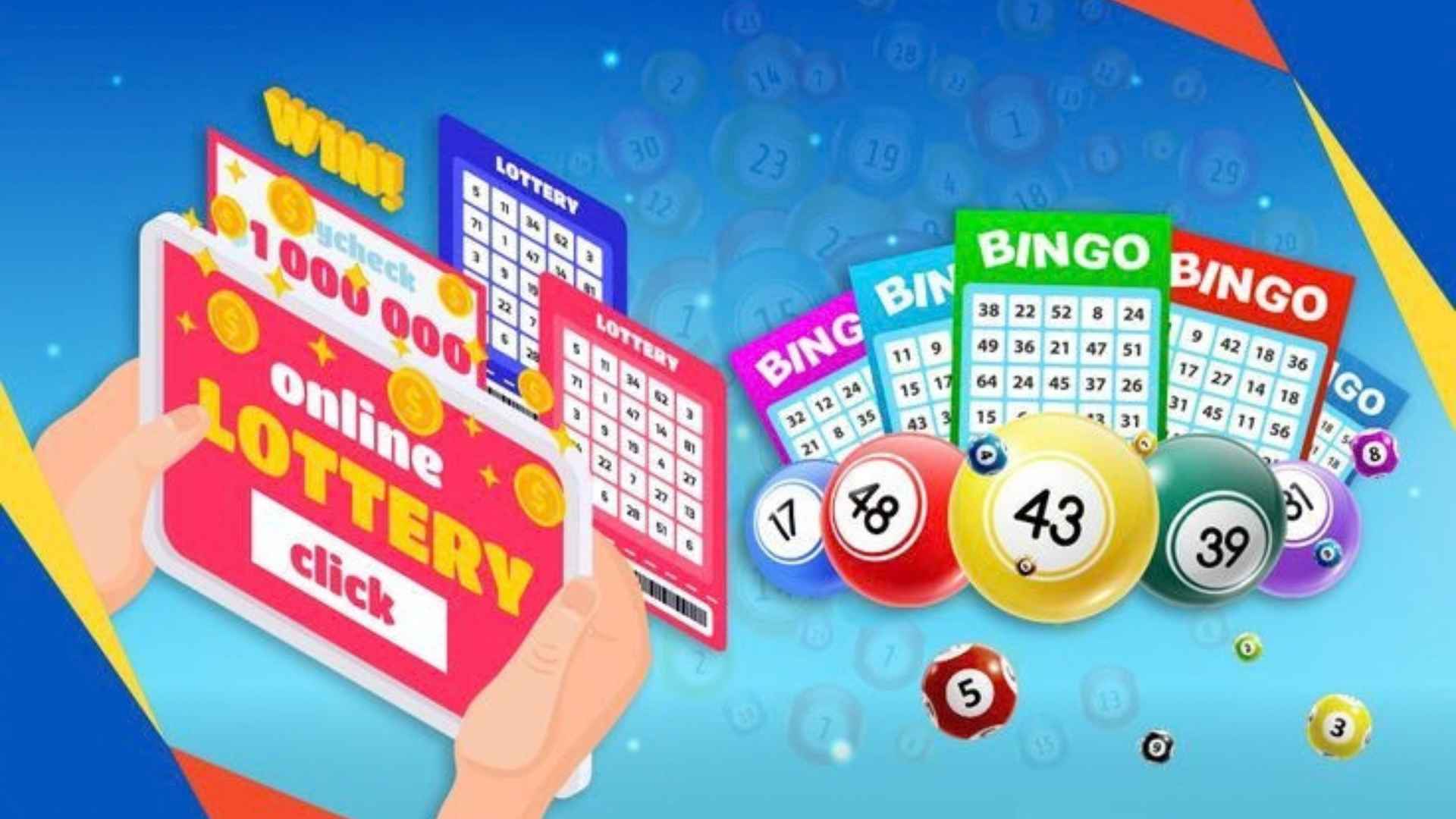
When individuals interact with digital number grids, their selections are rarely purely random. Cognitive biases, spatial habits, and subconscious heuristics heavily influence how people pick combinations across a visual layout. Understanding these behavioral patterns offers fascinating insights into how the human mind processes risk, geometry, and probability in interactive settings.
Visual Heuristics and Spatial Bias in Grid Layouts
Studies in behavioral psychology reveal that people tend to avoid grid boundaries when making manual selections. Instead, users frequently gravitate toward central clusters, creating non-random distribution patterns across the layout. This spatial bias stems from a natural inclination to view central areas as safe or balanced focal points.
Furthermore, diagonal lines and symmetrical shapes often dictate how selections are drawn across a matrix. Many participants instinctively form visual patterns, such as straight lines or geometric corners, rather than choosing scattered numbers. These visual shortcuts demonstrate how aesthetic order triumphs over pure randomness in human decision-making.
The Clustering Illusion and Perceived Randomness
Humans are notoriously inefficient at generating truly random sequences on their own. When instructed to choose arbitrary digits on a grid, individuals usually alternate between odd and even numbers or deliberately space out their picks. They actively avoid picking consecutive digits because adjacent numbers do not "look" random to the conscious mind.
This cognitive tendency is closely tied to the clustering illusion, where people misinterpret natural groupings as structured events. In reality, mathematical randomness often produces tight clusters and repeating digits. By deliberately spreading out selections, players create patterns that feel random to them but are actually highly predictable from a statistical standpoint.
Personal Milestones and Numerical Memory
Beyond spatial aesthetics, emotional attachment significantly impacts number selection behavior. Many users routinely choose numbers tied to birth dates, anniversaries, or personally meaningful events. Because calendar dates are limited to numbers 1 through 31, this preference creates a heavy concentration of picks in the upper portion of standard grids.
Behavioral researchers note that relying on personal memory provides a sense of familiar control over unpredictable environments. Even when outcomes are entirely governed by probability, using meaningful digits satisfies a psychological desire for personal agency. This emotional connection makes repetitive pattern selection a common feature of user interaction.
Cognitive Overload and Decision Fatigue
Faced with large grids containing dozens of potential choices, users often experience cognitive fatigue. When options become overwhelming, decision-making shifts from calculated deliberation to subconscious shortcuts. This shift leads to repeated usage of pre-established routines or reliance on visual symmetry to speed up the selection process.
Recognizing how mental fatigue influences grid interactions allows researchers to better evaluate decision hygiene in digital interfaces. Developing awareness around these mental shortcuts helps individuals make more intentional choices when interacting with complex datasets and visual matrices.